
 日本語
Bid History
|
Auction started
2026/10/20 (Tue) 12:45 |
※ = Auto
Ordering Number: AS26519
Katana in Shirasaya (NBTHK Tokubetsu Hozon Token)
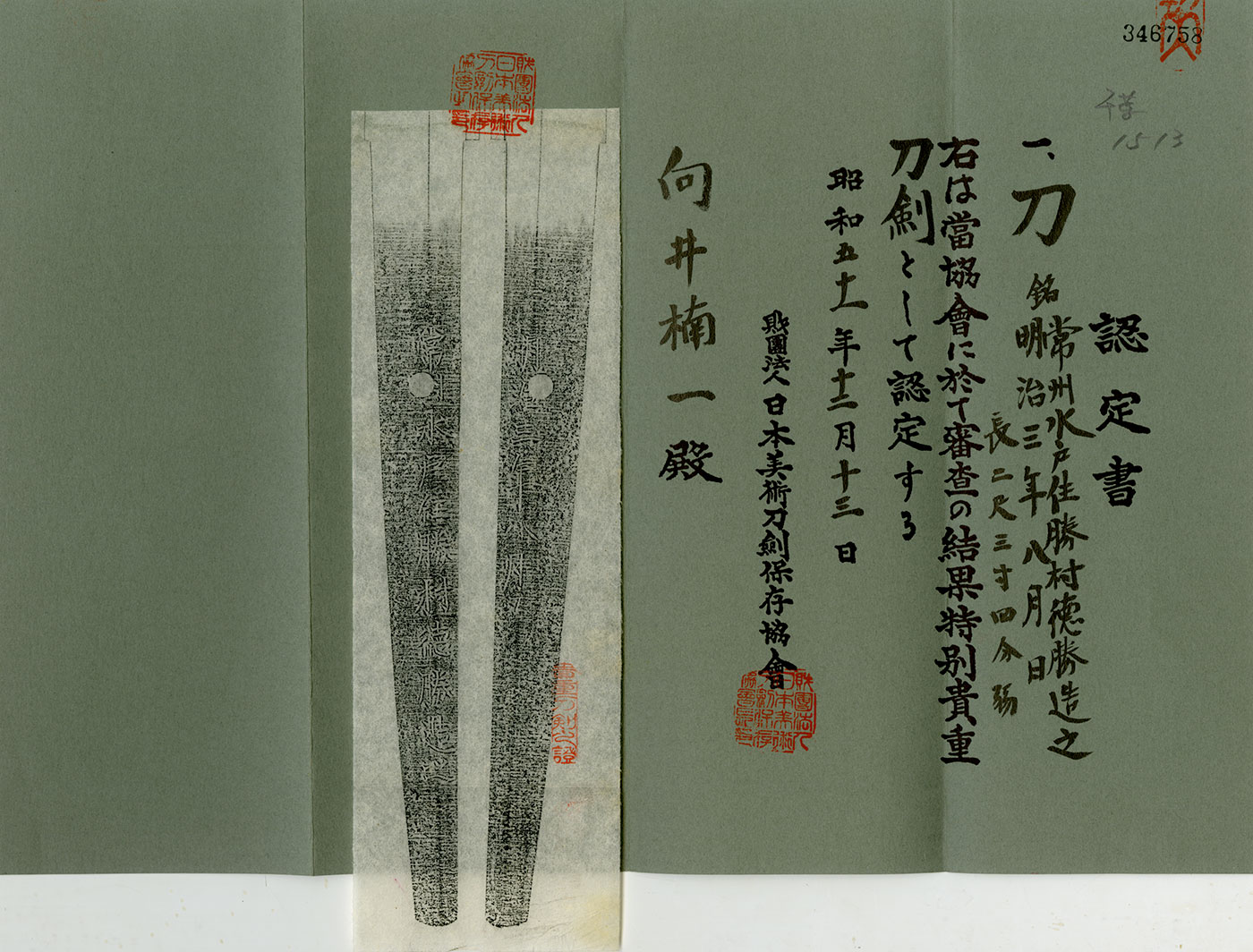
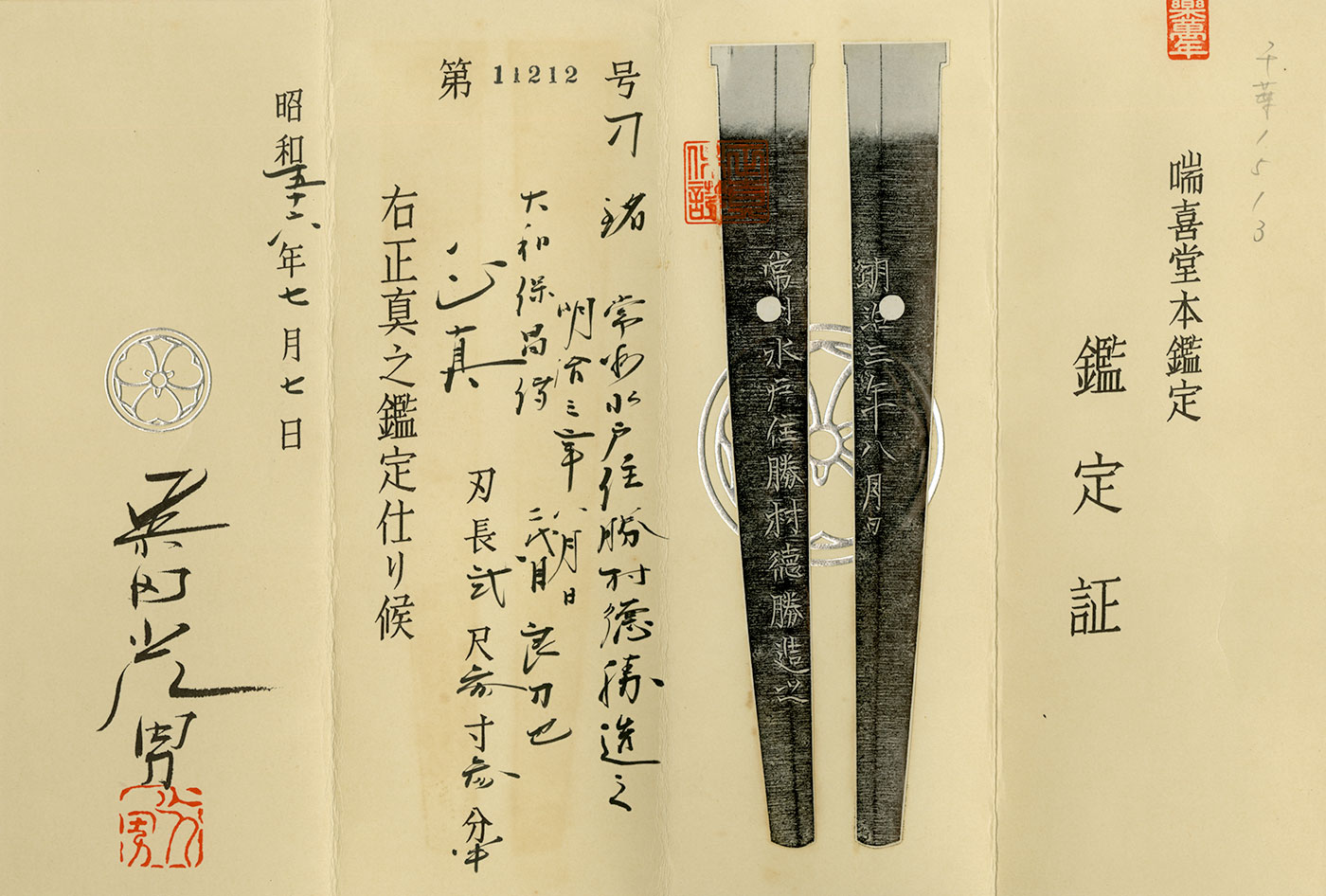
(NBTHK Tokubetsu Kicho Token)(Shibata estimation paper)
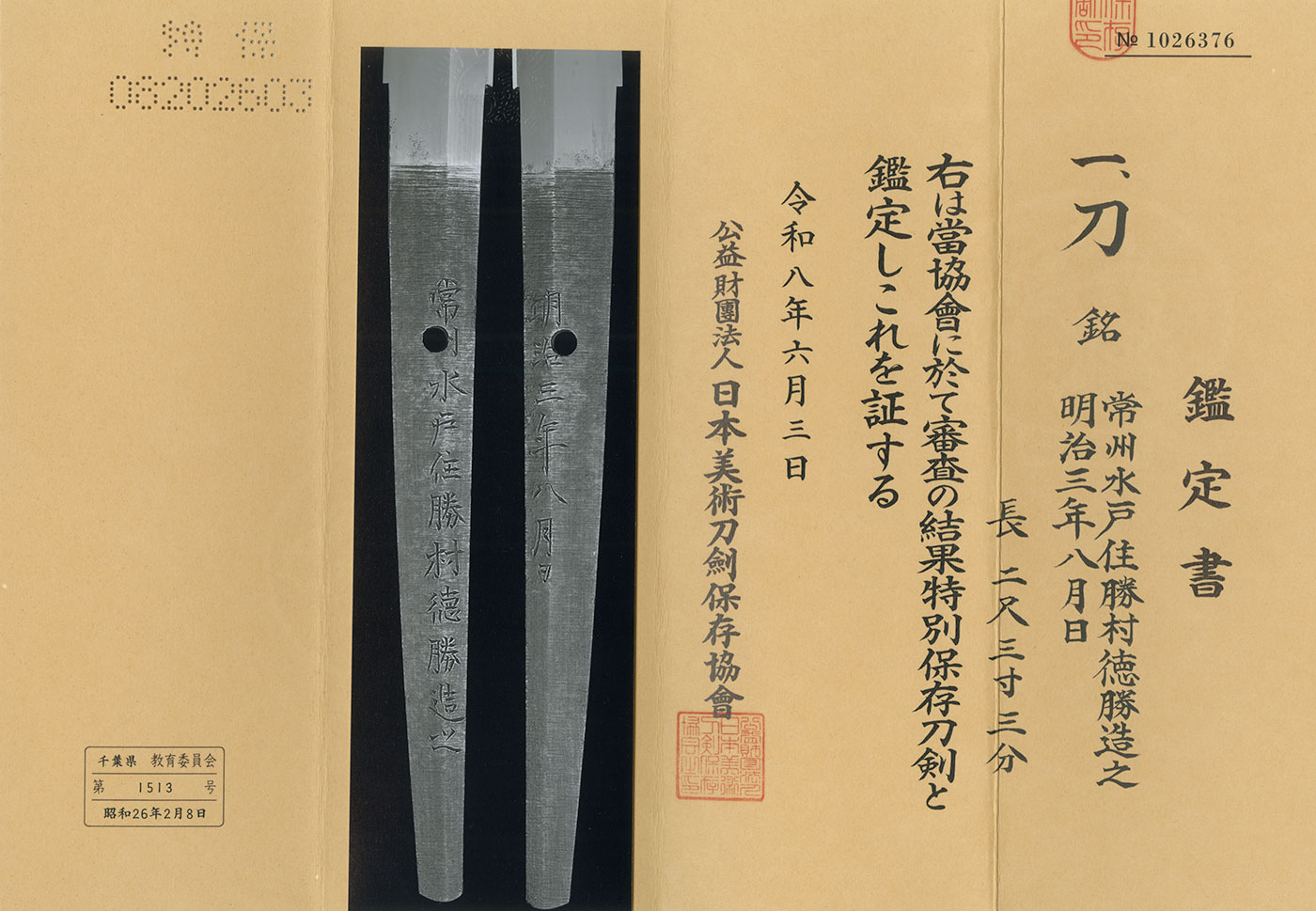
Signature:
Joshu Mito Ju Katsumura Tokukatsu Kore wo Tsukuru
常州水戸住勝村徳勝造之
Meiji San nen Hachi gatsu hi
明治三年八月日 (March 1870)
(We divide 4 sections for each sword as Saijyo Saku, Jyojyo Saku, Jyo Saku and Regular Saku).
This blade is ranked as Jyojyo Saku among the works of Joshu Mito Ju Katsumura Tokukatsu.
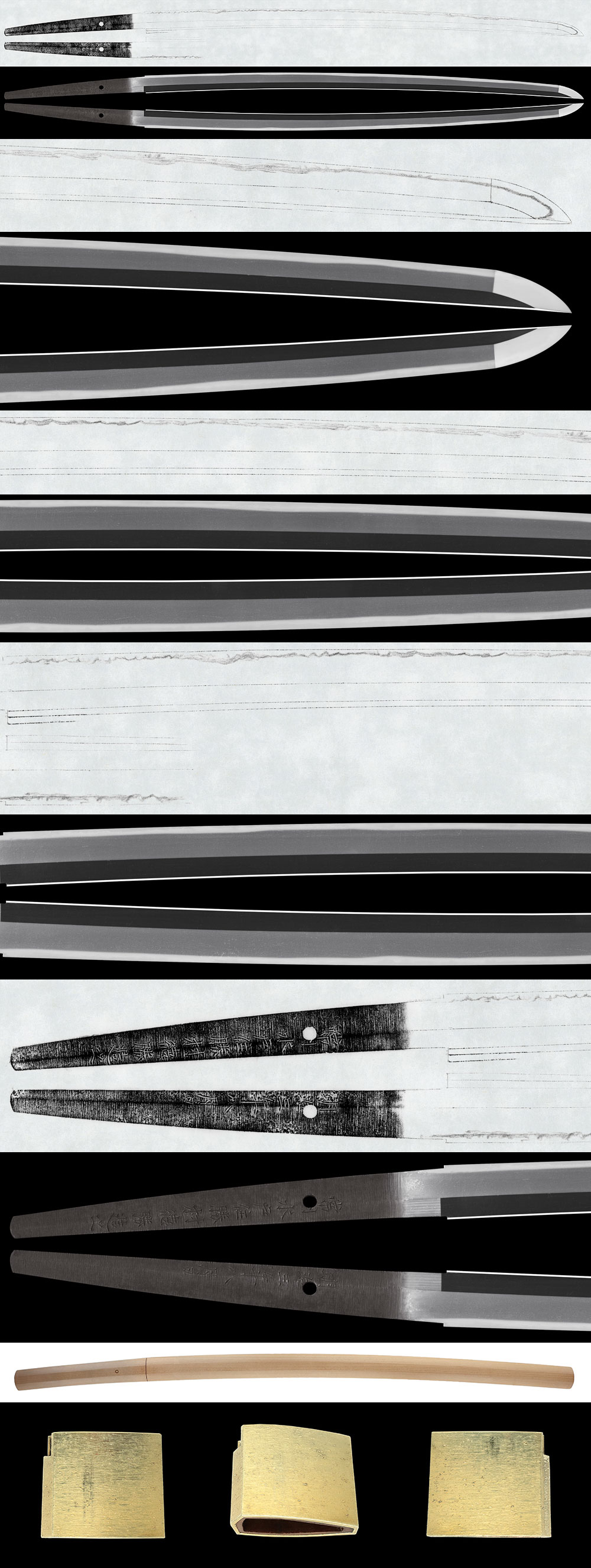
Habaki: Gold foiled single Habaki
Blade Length: 70.61 cm (27.80 in).
Curvature: 1.21 cm (0.48 in).
Mekugi Hole: 1.
Width at Base (Motohaba): 2.95 cm (1.16 in).
Width at Yokote: 1.99 cm (0.78 in).
Thickness of rim (Kasane): 0.63 cm (0.25 in).
Sword Weight: 775 g.
Era: August 1870 (Meiji 3)
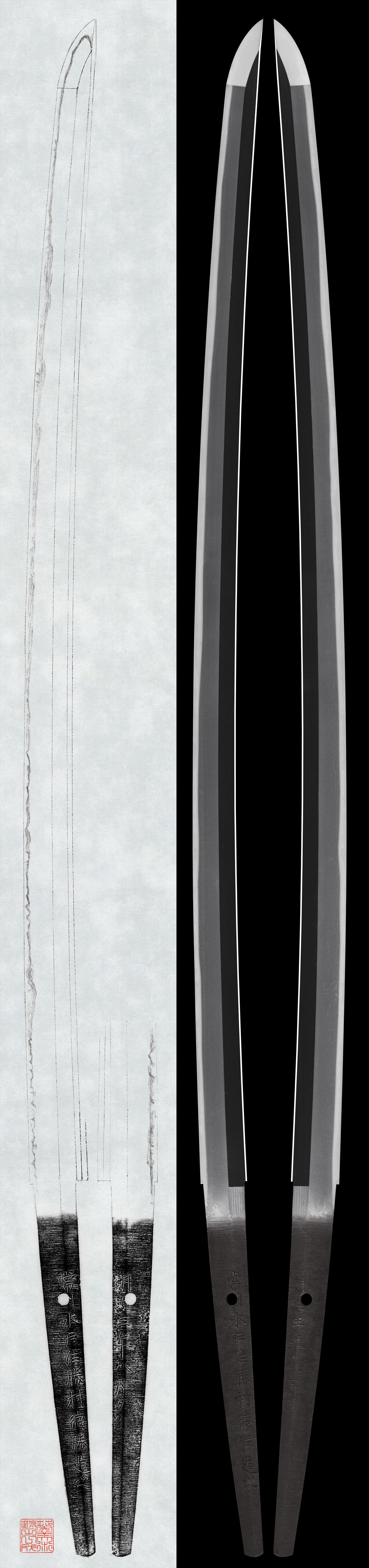
Shape: A katana with a relatively wide mihaba, moderate curvature, and an elongated kissaki.
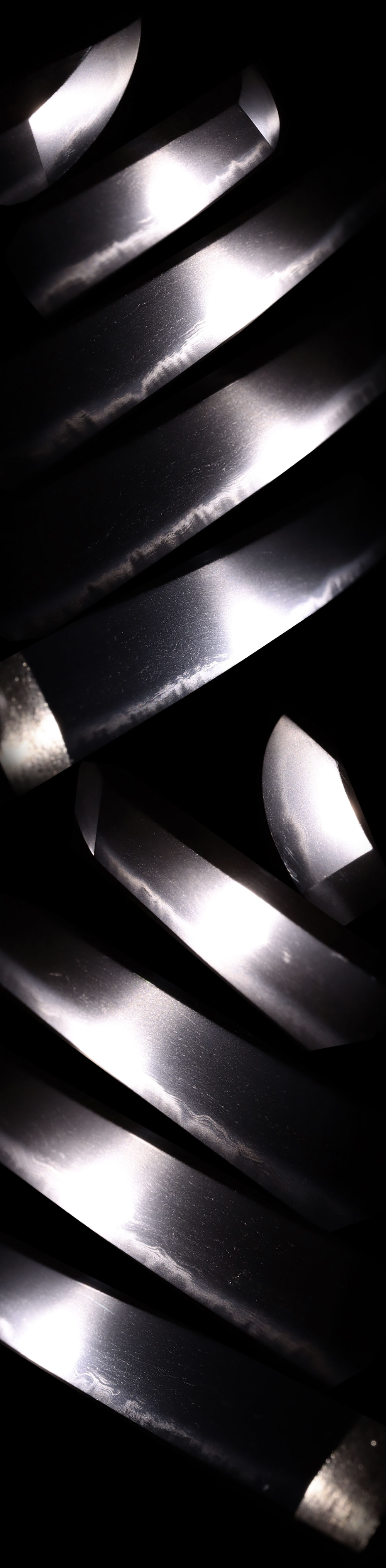
Jigane: Exceptionally well-forged ko-itame hada mixed with masame, producing a fine and refined jigane.
Hamon: Suguha mixed with gunome, featuring numerous overlapping kinsuji.
The boshi displays a midarekomi pattern, ending in a small rounded turnback with a yakitsume-like appearance.
Features: By August 1870, Japan was approaching the period when restrictions on wearing swords would be introduced, and this must have been a matter of great concern to swordsmiths.
Joshu Mito Ju Katsumura Tokukatsu was undoubtedly facing similar uncertainty and may have devoted particular care to producing outstanding swords as the remaining opportunities for his craft seemed increasingly limited.
This blade displays prominent masame hada in the shinogi-ji, while the exceptionally tightly forged jigane reveals a delicate, fine masame grain.
The hamon is particularly impressive, with numerous layers of kinsuji creating rich and varied activity.
Eventually, the Haitorei Edict of 1876 brought major changes to the sword-making profession, severely reducing demand for swords and interrupting production for many smiths.
The craft underwent significant changes before sword production was revived in later years of the Meiji period.
Historical Background:
Completion and Lighting of Jogashima Lighthouse (August 13, 1870 / September 8, 1870, Gregorian Calendar)
Jogashima Lighthouse, located at the southern tip of the Miura Peninsula, was completed and began operating as Japan’s 5th Western-style lighthouse.
This was one of the important developments symbolizing the modernization of Japan’s maritime transportation.
Establishment of the Engineering School and Survey Office (August 14, 1870 / September 9, 1870, Gregorian Calendar)
To train modern engineers, the Engineering School (Kogakuryo), which later developed into the Imperial College of Engineering and eventually became part of the University of Tokyo’s Faculty of Engineering, was established under the Ministry of Public Works.
On the same day, a Survey Office was established under the Ministry of Popular Affairs to conduct accurate surveys of Japan’s territory.
Opening of Telegraph Communication Between Osaka and Kobe (August 20, 1870 / September 15, 1870, Gregorian Calendar)
A telegraph connection was established between Osaka and Kobe, enabling communication between the 2 cities.
Following the opening of the Tokyo–Yokohama telegraph line the previous year, this marked another important step in the expansion of Japan’s early telegraph network.
Establishment of a Middle School in Tokyo Prefecture (August 22, 1870 / September 17, 1870, Gregorian Calendar)
One of the first modern middle schools was established in Tokyo Prefecture, marking the beginning of a more systematic approach to modern education.
These developments demonstrate the tremendous momentum behind the establishment of schools throughout Japan during this period.
NBTHK Tokubetsu Hozon Token.
NBTHK Tokubetsu Kicho Token.
Shibata estimation paper
AoiArt estimation paper: Whole Oshigata.
Please note: The price does not include the international shipping fees.


Starting bid: ¥1,200,000
|
Auction started
2026/10/20 (Tue) 12:45 |
※ = Auto