
 日本語
Bid History
|
Auction started
2026/11/15 (Sun) 17:32 |
※ = Auto
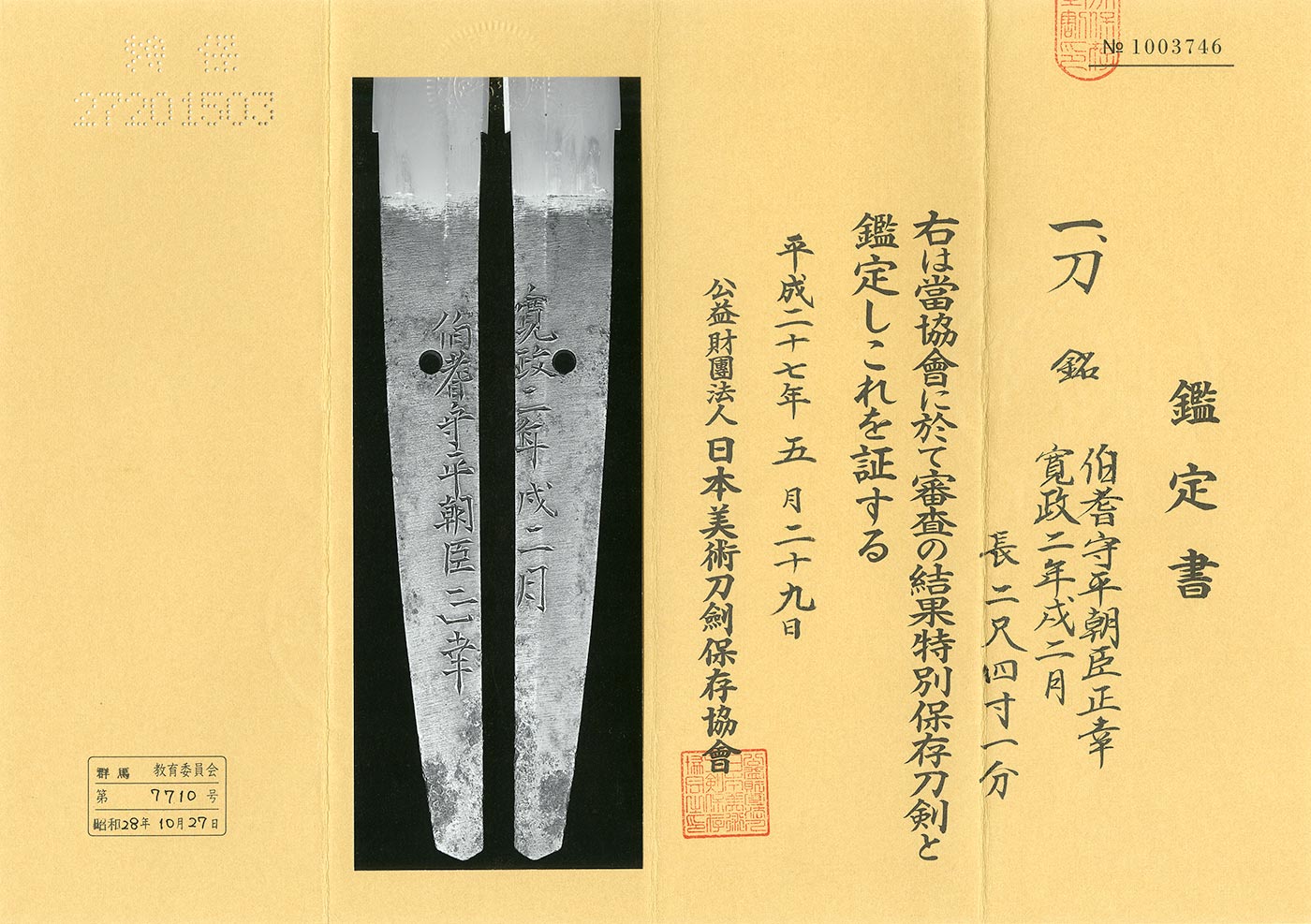
Katana in Shirasaya with Koshirae (NBTHK Tokubetsu Hozon Token)
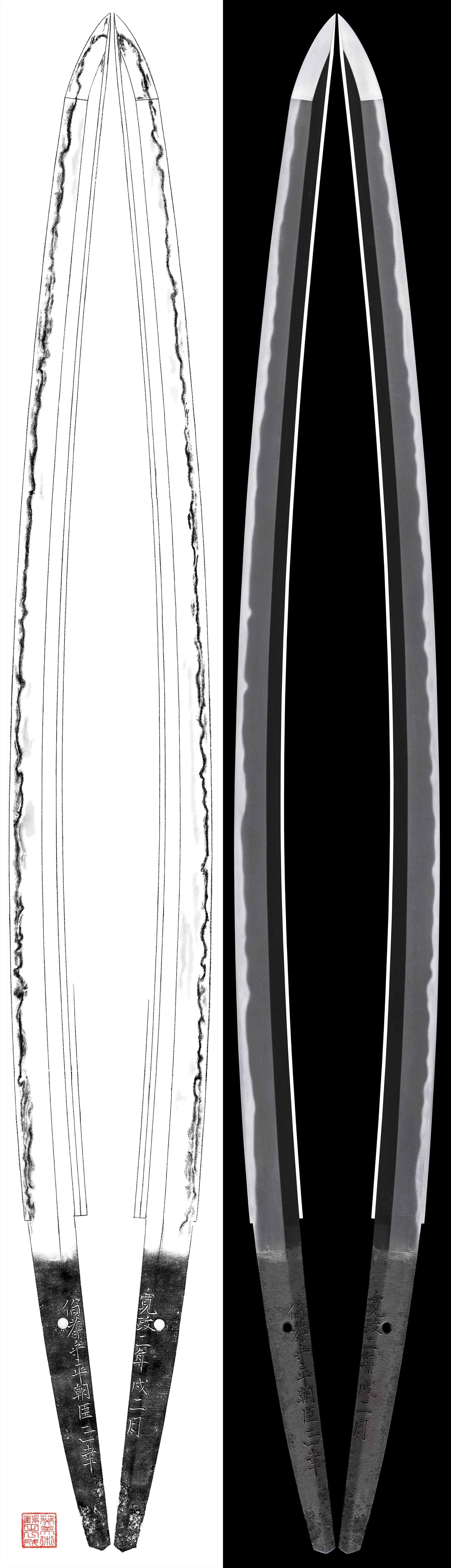
Signature: Hoki no Kami Taira Ason Masayuki.
Dated February 1790.
伯耆守平朝臣正幸
寛政二年戌二月
Shinshinto: Jyojyo Saku: Satsuma Province
(We divide 4 sections for each sword as Saijyo Saku, Jyojyo Saku, Jyo Saku and Regular Saku).
This blade is ranked among the works of Hoki no Kami Ason Masayuki.
Habaki: Double silver habaki.
Blade Length: 74.24 cm (29.23 in).
Curvature: 1.82 cm (0.72 in).
Mekugi Hole: 1.
Width at Base (Motohaba): 3.24 cm (1.28 in).
Width at Yokote: 2.42 cm (0.95 in).
Thickness of rim (Kasane): 0.69 cm (0.27 in).
Era: Edo period, around the Kansei era (1789–1801).
Shape: A magnificent and powerful katana with a wide mihaba, thick kasane, deep curvature, and an elongated kissaki.
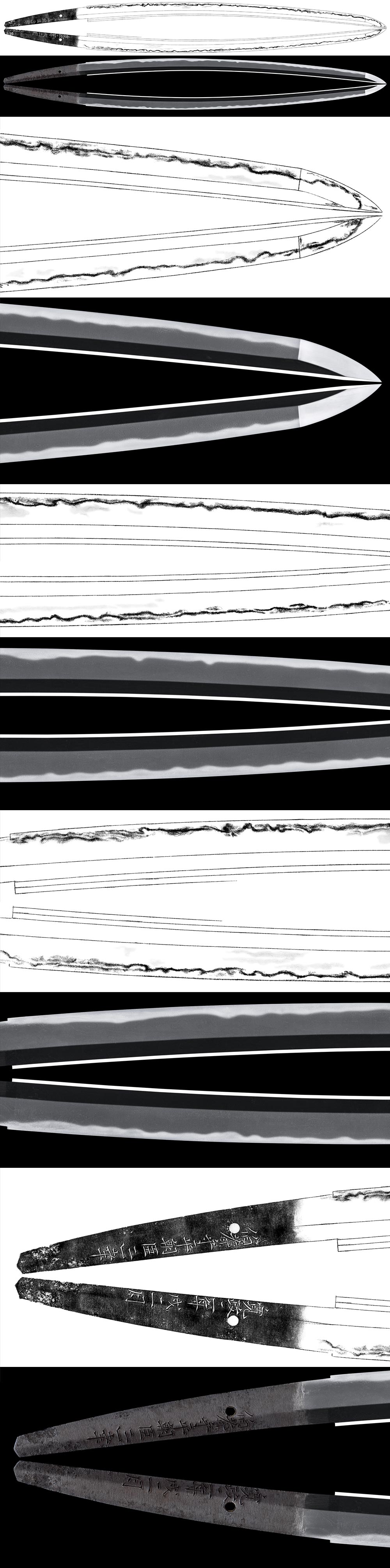
Jigane: Beautifully forged itame hada with a dark appearance.
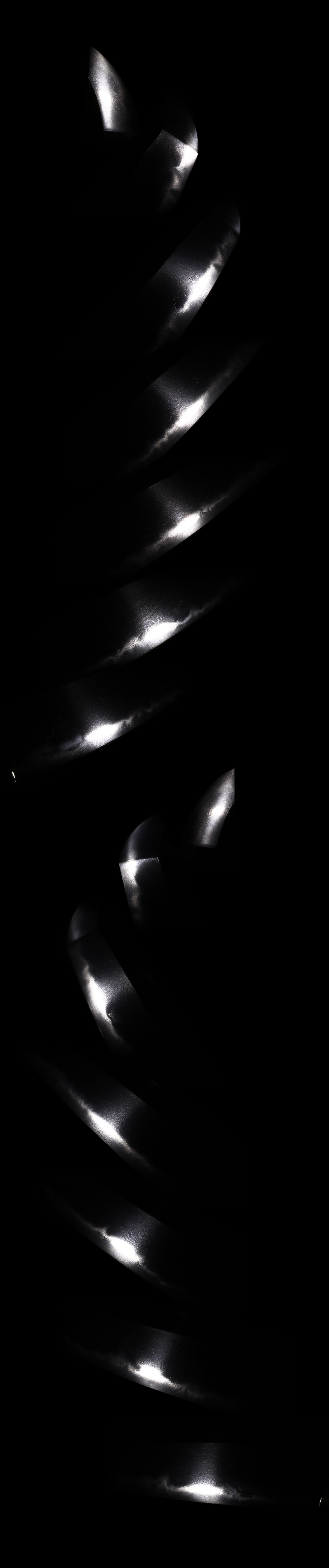
Long chikei are prominently visible throughout the jigane.
Hamon: Nie-deki with a deep nioiguchi, featuring notare mixed with pointed togari-ba.
The nioiguchi is deep, with abundant sunagashi and kinsuji activity within the hamon.
Features: Hoki no Kami Ason Masayuki was a disciple of Masachika, and his family name was Ijichi.
His original swordsmith name was Masayoshi (3rd Generation).
His works date back to around the Horeki era (1751–1764).
In 1789, he received the honorary title of Hoki no Kami and changed his signature to Masayuki.
His surviving works extend to 1817, and he lived until 1819, reaching the age of 87.
His workmanship frequently follows the Soshu-den tradition in the style of Shizu, and his blades display distinctive linear activities known as Imozuru (potato vines).
He continued making swords until his death in 1819 at the remarkable age of 87.
He also wrote a treatise on sword forging and devoted himself to educating swordsmiths.
In this respect, he is often mentioned alongside Suishinshi Masahide of Edo.
This particular katana has an excellent shape, and the inscription on the nakago indicates that the bo-hi (groove) is original to the blade.
The unusual manner in which the signature is engraved is also noteworthy.
The long chikei, thick ji-nie, and dark-colored jigane are characteristic features of Satsuma swords.
Furthermore, the deep nioiguchi, gunome-midare, and pointed togari-gunome-midare fully demonstrate the distinctive workmanship associated with Satsuma swordsmiths Motohira and Masayuki.
Koshirae:
Tsuba: Mokko-shaped iron tsuba featuring a boldly carved wave design.
Late Edo period.
Fuchikashira: Shakudo nanako fittings featuring raised paulownia crests (kiri-mon) arranged around the surface and decorated with gold iroe.
Saya (Scabbard): Black roiro lacquered saya.
Menuki: Solid gold menuki carved with floral motifs, with portions of the design engraved in silver.
Aoi Art’s Comment: Hoki no Kami Ason Masayuki and Motohira are regarded as the 2 leading swordsmiths of the Satsuma tradition during the Shinshinto period.
Both produced numerous masterpieces and lived long lives, reaching the ages of 87 and 83, respectively.
Their workmanship shares many similarities, particularly the bold and powerful appearance created by abundant coarse nie.
Many of their works follow the Shizu style and are highly appreciated by Japanese sword enthusiasts.
This particular blade displays exceptionally vigorous chikei activity in the jigane, while the hamon contains abundant sunagashi, kinsuji, and yubashiri.
These characteristics beautifully express the essence of Satsuma swordmaking.
Furthermore, the blade has a wide motohaba, thick kasane, substantial thickness toward the tip, and a large kissaki, giving it an exceptionally powerful and imposing appearance.
We highly recommend this outstanding katana.
Historical Background: In 1794, during the Kansei era, the mysterious ukiyo-e artist Toshusai Sharaku suddenly appeared in the Japanese art world.
After an extraordinarily brief career lasting approximately 10 months, he disappeared from the artistic scene, leaving behind a remarkable collection of ukiyo-e portraits.
NBTHK Tokubetsu Hozon Token.
Aoi Art estimation paper: whole Oshigata.



Starting bid: ¥2,250,000
|
Auction started
2026/11/15 (Sun) 17:32 |
※ = Auto